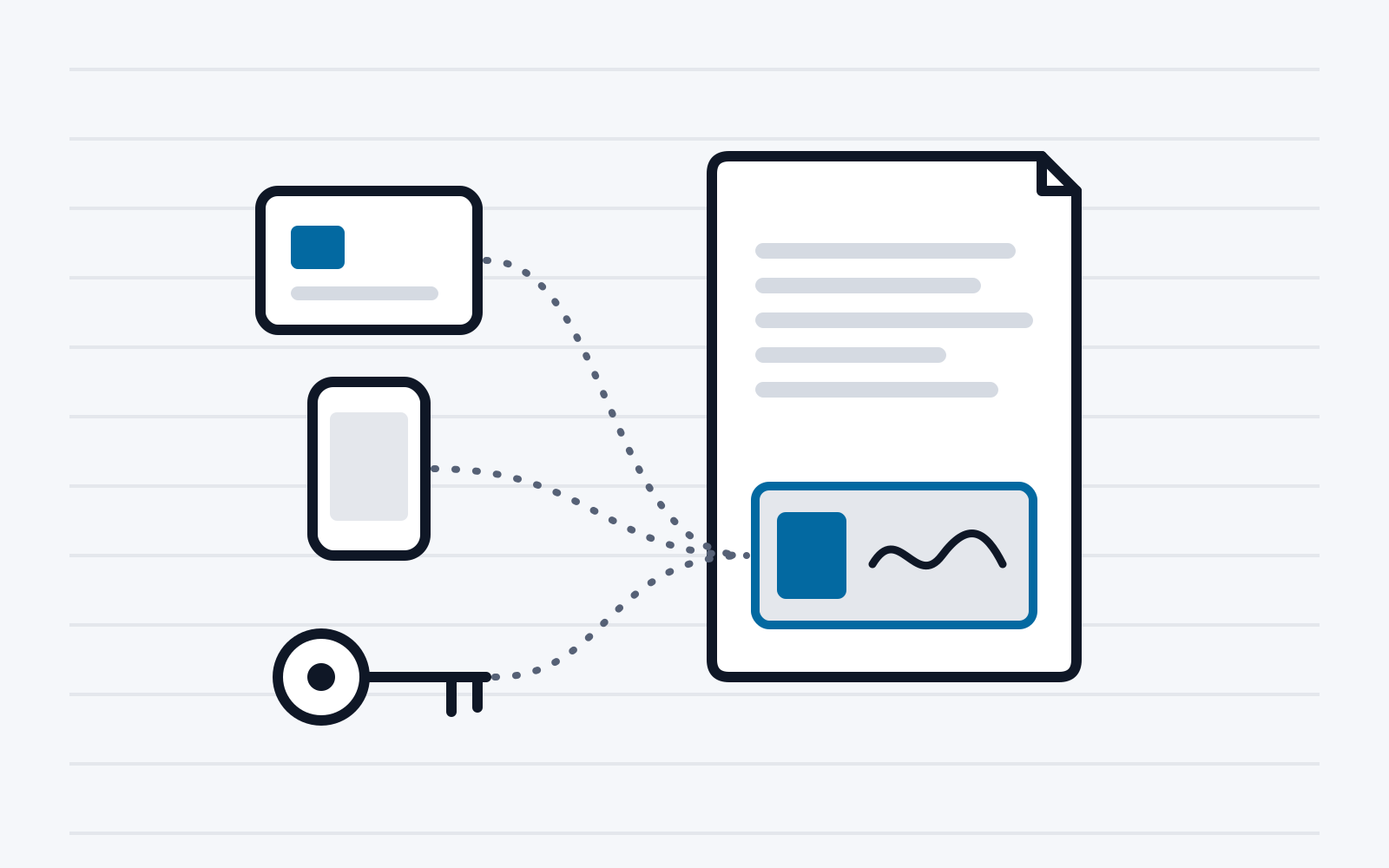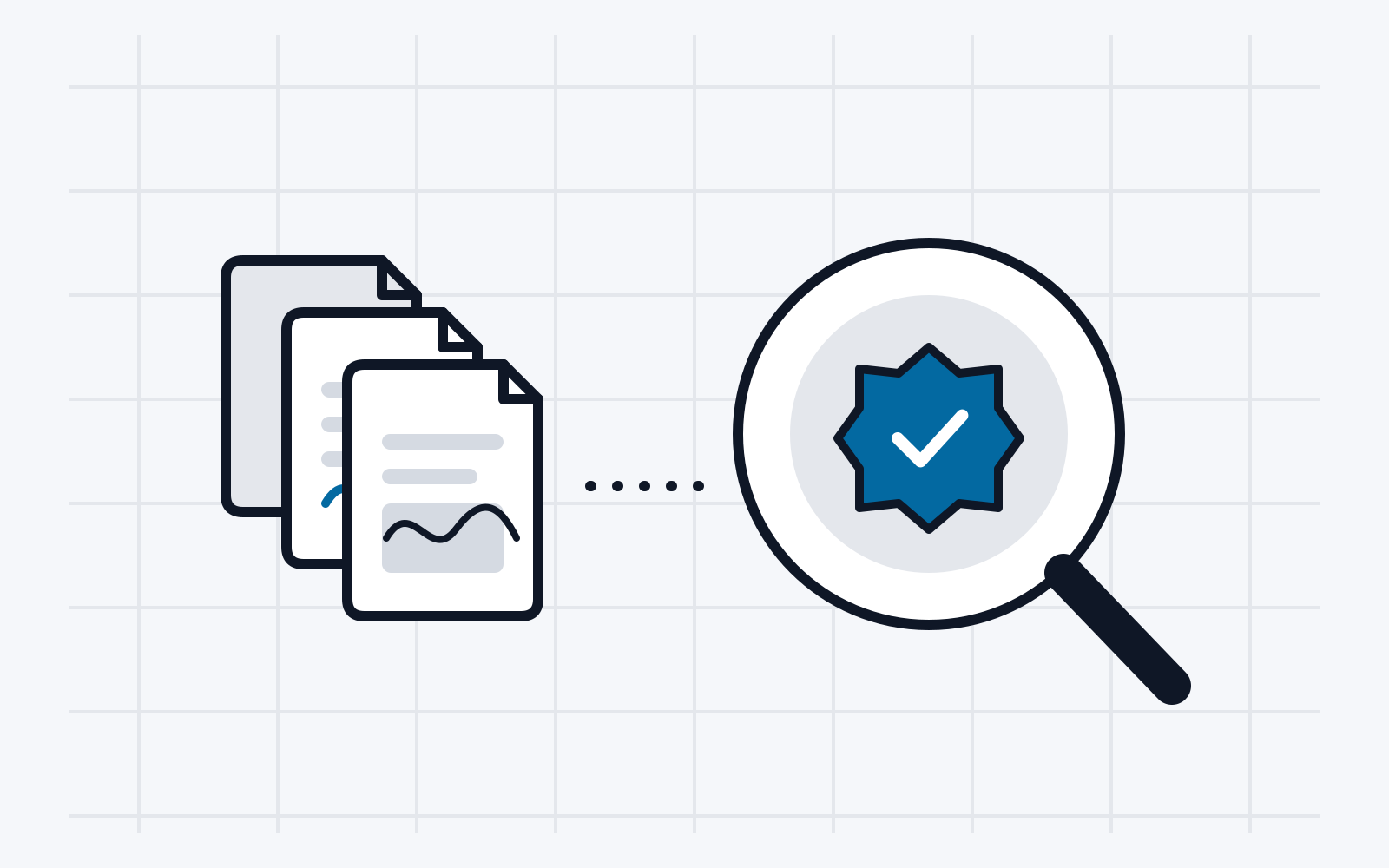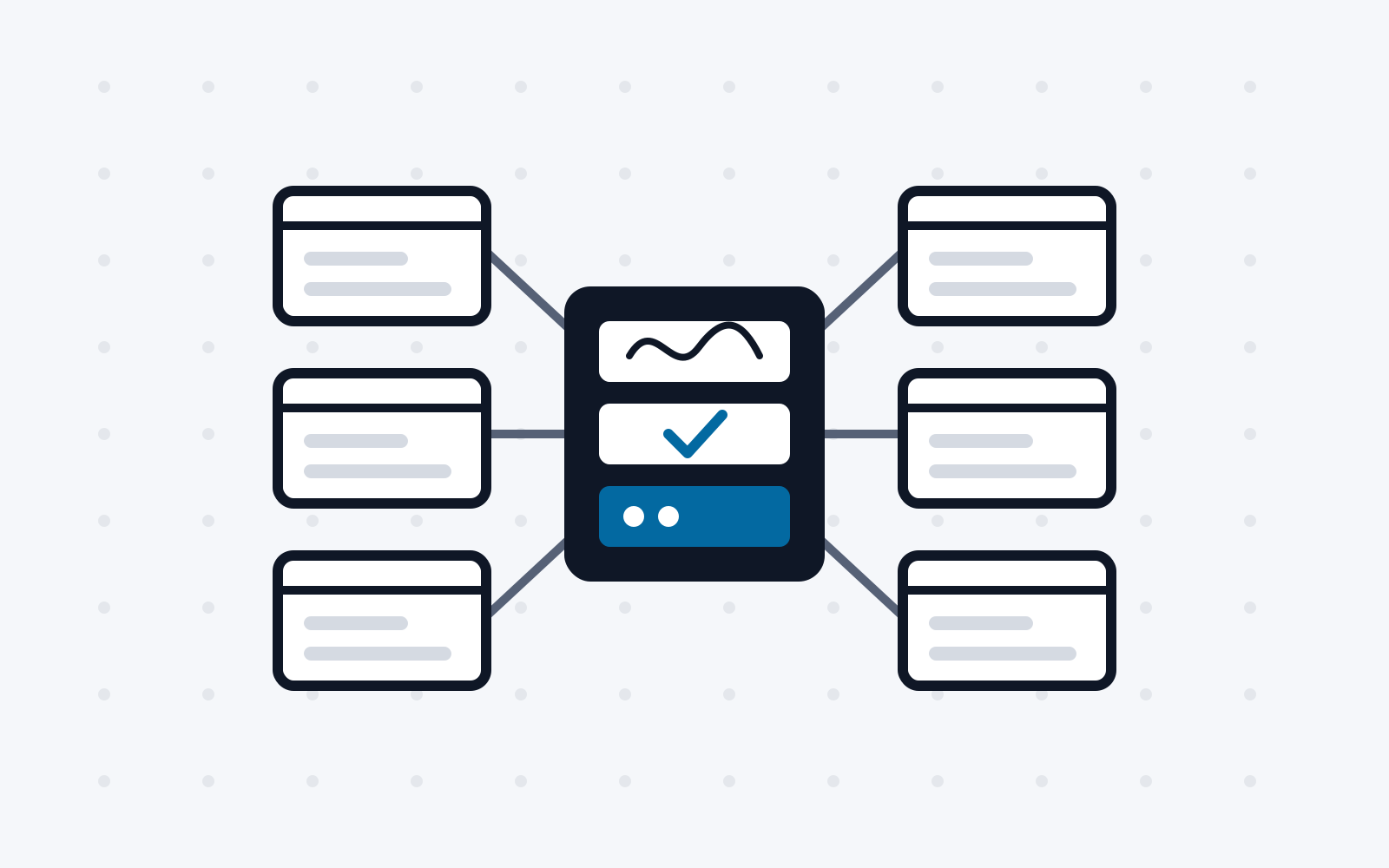
Signature creation and verification as a central service. MOA SS creates electronic signatures on the server, MOA SP verifies them. Applications integrate both modules via a web service interface (SOAP) or an API. One MOA deployment can thus serve several applications at once.
At a glance
- Central operation: the design supports multiple clients. One instance serves many applications.
- Clean separation: the web service interface clearly separates the calling application from the MOA components.
- European standards: XAdES, CAdES and PAdES – the minimum formats for cross-border exchange.
- Hardware security: signing with software keys or hardware security modules (HSM).
- Batch signing: one command signs several documents.
- Basis of the official signature: PDF-AS creates official signatures via MOA SS.
Your benefits
- Efficient: documents are signed independent of time and place and sent over the internet with legal validity within seconds.
- Simple: the electronic signature replaces the handwritten signature on paper.
- Trustworthy: the origin and authenticity of documents from authorities are easy to verify. Forged documents stand out immediately because the signature is invalid.
MOA SS: signature creation
MOA SS bundles all functionality for server-side signature creation.
- Signatures according to XAdES B-Level / XMLDSig, CAdES B-Level / CMS and the Austrian Citizen Card specification
- Keys in software or in hardware security modules (HSM)
- Batch signatures for several documents in one call
- Clear process: determine the signature key, resolve the data to be signed, compute transformations, create the signature
MOA SP: signature verification
MOA SP bundles all functionality for server-side signature verification.
- Verifies signatures according to XAdES / XMLDSig, CAdES / CMS and PAdES as well as the Citizen Card specification
- Simple and qualified signatures
- XML interface: request and response are described in the MOA schema of the specification
Specified for operation
The specification defines the requirements for operation: platforms, authentication, scalability, availability, logging, namespaces and the command format.